Metal Casting Foundry Breakthroughs: The Way Technology Is Transforming Metal Casting
Foundry casting advancements are profoundly transforming the world of metal casting. Modern technologies and automation boost productivity and precision, revolutionizing established processes. Automation through robotics refines workflows, while 3D printing opens novel design horizons. Additionally, real-time data analytics enhance operational workflows, fostering sustainability. Nevertheless, these innovations also present obstacles that require careful management. How do these advancements shape the trajectory of the industry and its long-term outlook?
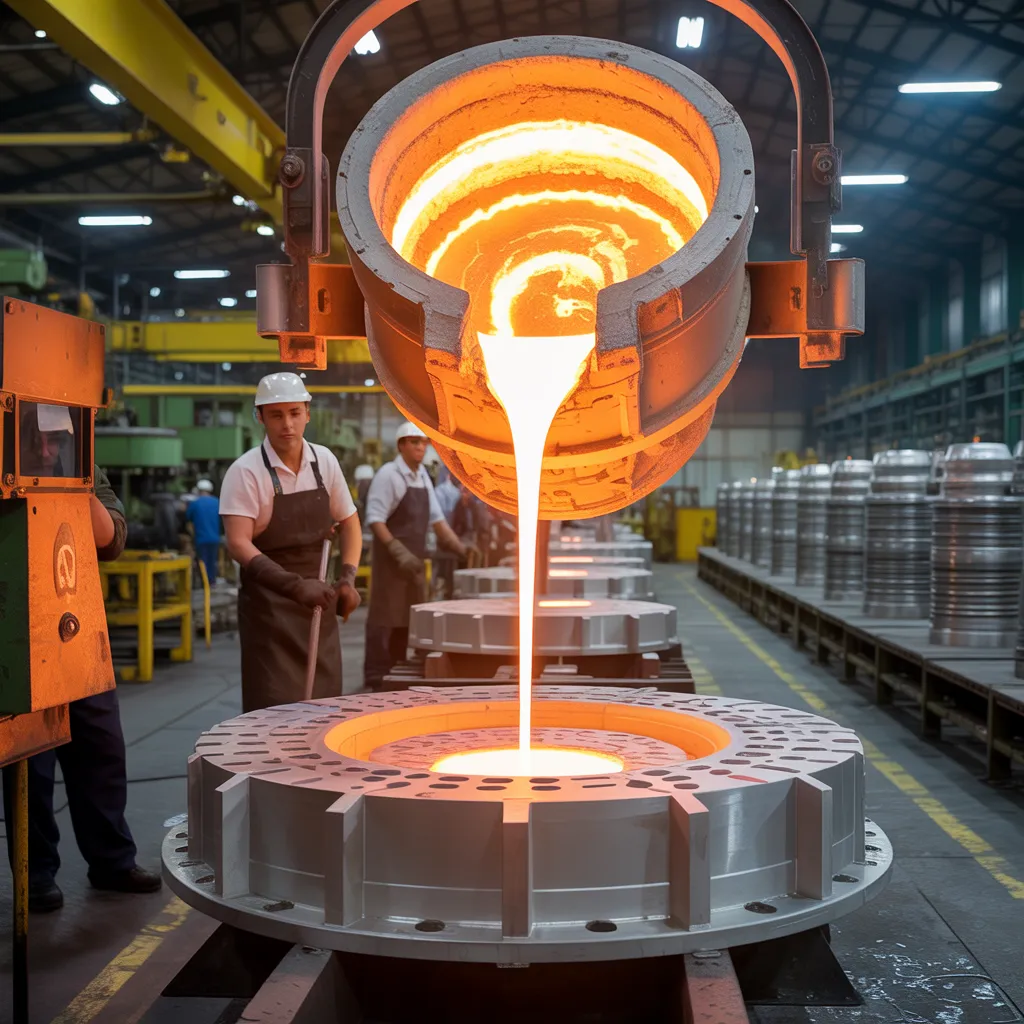
Summary of Developments in Metal Casting
The field of metal casting has undergone significant transformations, propelled by innovations in technology and materials. Conventional techniques have been improved through the incorporation of automation, which simplifies production operations and increases precision. Advances in computer-aided design (CAD) allow engineers to develop complex patterns and components, decreasing material waste and improving source overall efficiency. Furthermore, the development of new alloys and composite materials has broadened the possibilities of metal casting, facilitating the creation of lightweight and robust components that satisfy a wide range of industry demands.
Additionally, improvements in pouring and melting techniques have boosted energy efficiency and minimized emissions, advancing green sustainability targets. Automation and artificial intelligence are also progressing, enabling real-time monitoring and quality control. Combined, these breakthroughs are redefining the world of metal casting, empowering manufacturers to deliver premium products while cutting costs and environmental effects.
The Rise of 3D Printing: Transforming Metal Casting
The adoption of 3D printing into metal casting operations is revolutionizing the industry by offering enhanced design flexibility. This innovation facilitates detailed geometries that were once difficult to accomplish. Additionally, it considerably reduces production time, streamlining the entire manufacturing process.
Improved Design Versatility
Revolutionary progress in 3D printing technology have greatly enhanced creative flexibility within the metalworking industry. This transformation allows professionals to craft sophisticated geometrical forms that were formerly impossible with standard techniques. With this advanced printing technology, complex internal configurations and weight-optimized designs can be achieved without the constraints inherent in traditional tooling methods. In addition, the opportunity to accelerate iterations helps technical teams to investigate multiple design configurations and material options, encouraging inventive thinking and creativity. As a direct outcome, industry professionals can develop personalized manufacturing components precisely matched to specific requirements, resulting in improved performance and functionality. This shift towards greater design freedom not only accelerates the design process but also promotes cooperative efforts among technical teams and creative specialists, paving the way for innovative applications in diverse sectors.
Shortened Production Time
Embracing 3D printing technology has considerably decreased production time in the metal casting industry. Legacy processes often involve prolonged processes of pattern creation and mold production, which can extend project timelines. However, 3D printing facilitates rapid prototyping and the direct creation of complex geometries, simplifying the entire workflow. By reducing several intermediate steps, manufacturers can manufacture parts more swiftly and efficiently. This technology also promotes just-in-time production, reducing the need for large inventories and reducing waste. As companies adopt 3D printing, they realize significant time savings, allowing for quicker response to market demands and a more agile manufacturing process. Overall, the adoption of 3D printing marks a groundbreaking shift toward greater efficiency in metal casting.
Advanced Automation: Improving Efficiency in Foundry Operations
Harnessing advanced automation reshapes foundry operations, driving significant improvements in efficiency and productivity. Cutting-edge robotics and automated systems refine various processes, from mold preparation to metal pouring, lowering manual labor requirements and reducing human error. These innovations support real-time monitoring and control, optimizing workflows and resource utilization.
Automated equipment have the ability to function around the clock, facilitating higher output rates and consistent quality in the casting process. Furthermore, intelligent automation enables precise adjustments in response to evolving circumstances, improving production consistency.
Incorporation of automated systems further improves workplace safety by minimizing the requirement for personnel in hazardous environments. This transition not only boosts operational effectiveness but also encourages a more environmentally responsible manufacturing strategy, as material waste and energy consumption are minimized.
How Data Analytics Enhances Decision-Making in Metal Casting
Data analytics transforms strategic decision-making in metal casting by delivering insights that fuel operational enhancements and strategic development. By leveraging data from multiple sources, foundries can oversee production workflows in real-time, detecting inefficiencies and potential areas of optimization. Predictive analytics empowers manufacturers to predict equipment breakdowns and upkeep demands, reducing downtime and optimizing productivity.
Moreover, data-driven insights enhance better inventory management, confirming that materials remain available at critical times while minimizing excess. This capability allows for strategic determinations concerning supply chain operations and financial management. Enhanced data visualization tools make complex data more accessible, enabling teams to reach faster, data-driven conclusions.
Fundamentally, the adoption of data analytics cultivates a culture of perpetual enhancement in metal casting operations, producing higher quality products and increased competitiveness in the market. As the industry evolves, utilizing data will prove critical for foundries striving to stay competitive and drive growth.
Sustainable Practices in Metal Casting: Waste and Energy Reduction
The integration of data analytics in metal casting not only enhances decision-making but also paves the way for more sustainable practices. By leveraging real-time data, foundries are able to streamline production processes, consequently decreasing waste and energy consumption. Advanced monitoring systems identify inefficiencies in casting operations, facilitating timely adjustments that decrease material waste and energy usage.
Furthermore, the adoption of reclaimed materials has gained momentum within the field. Manufacturing facilities are increasingly using recycled metal, which not only reduces raw material costs but also mitigates the environmental burden connected to extracting and refining virgin resources. Furthermore, cutting-edge technologies such as 3D printing support the creation of molds that demand reduced material input while optimizing operational efficiency.
Collectively, these sustainable practices indicate a fundamental shift in the metal casting industry, emphasizing the sector's commitment to reducing its ecological footprint while maintaining operational effectiveness and market competitiveness.
Overcoming Challenges in Tech Adoption in Foundries
Navigating the complexities of technology adoption poses significant challenges for foundries, frequently impeding their advancement in modernization. A key challenge is the significant initial expenditure required for new technologies, which can strain budgets, particularly for smaller establishments. Furthermore, the current staff may lack the necessary skills to manage cutting-edge systems, requiring costly training initiatives. Reluctance to adapt among employees can further complicate the adoption of updated processes, as traditional approaches are deeply embedded.
Furthermore, foundries must navigate the merging of modern technologies with older infrastructure, which can result in compatibility issues. Supply network interruptions can also develop when obtaining specialized materials or parts, disrupting production timelines. Ultimately, the accelerating rate of technological development presents difficulties for foundries in staying current, resulting in potential obsolescence of recent investments. Overcoming these hurdles is vital for casting facilities seeking to improve productivity and market standing in a constantly shifting competitive environment.
Future Trends in Metal Casting Technologies
Working through the complexities of technological advancement has illuminated the need for foundries to consider new approaches in metal casting. Future trends indicate a shift towards automation, with robotics improving efficiency and precision in production lines. AI-driven analytics and machine learning are expected to revolutionize operational decision-making, enabling real-time monitoring and predictive maintenance. Furthermore, the integration of additive manufacturing is set to create new possibilities for intricate geometries and weight-optimized structures, cutting down on material consumption. Sustainability will also be a key factor, as foundries increasingly adopt eco-friendly materials and energy-efficient practices. Beyond this, the rise of smart foundries, harnessing the Internet of Things (IoT), promises enhanced connectivity and streamlined operations. As these trends develop, they will not only reshape operational potential but also cement metal castings role in the future of manufacturing.
Common Questions and Answers
Which Materials Work Best for 3D Printing in Metal Casting?
Aluminum, stainless steel, and titanium stand among the finest materials used in metal casting 3D printing. Such metals deliver excellent strength, lightweight properties, and corrosion resistance, making them ideal for various industrial applications.
How Does Metal Casting Affect the Environment?
Metal casting operations influences the environment by way of energy consumption, resource extraction, and harmful emissions. Nevertheless, advancements in eco-friendly practices and recycling programs seek to reduce waste and enhance efficiency, potentially mitigating adverse ecological consequences associated with traditional casting methods.
What Are the Financial Considerations for Implementing New Technologies in Foundries?
Integrating emerging systems in casting facilities involves expenditures stemming from equipment acquisition, training, regular upkeep, and expected periods of inactivity during transitions. These expenditures can be considerable, but may over time lead to greater overall efficiency and decreased long-term costs.
What Qualifications Are Necessary for Workers in Today's Metal Casting Facilities
Personnel in today's metal foundry plants require competencies in automation, computer-aided design, quality control, and metallurgy. Proficiency in operating cutting-edge machinery and mastering technological advancements is vital for efficient production and ensuring workplace safety.
How Are Innovations Influencing Traditional Metal Casting Practices?
Innovations elevate traditional metal casting techniques by increasing accuracy, productivity, and automation. Cutting-edge technologies optimize workflows, reduce inefficiencies, and support intricate designs, ultimately reshaping the quality and output of metal casting operations.